
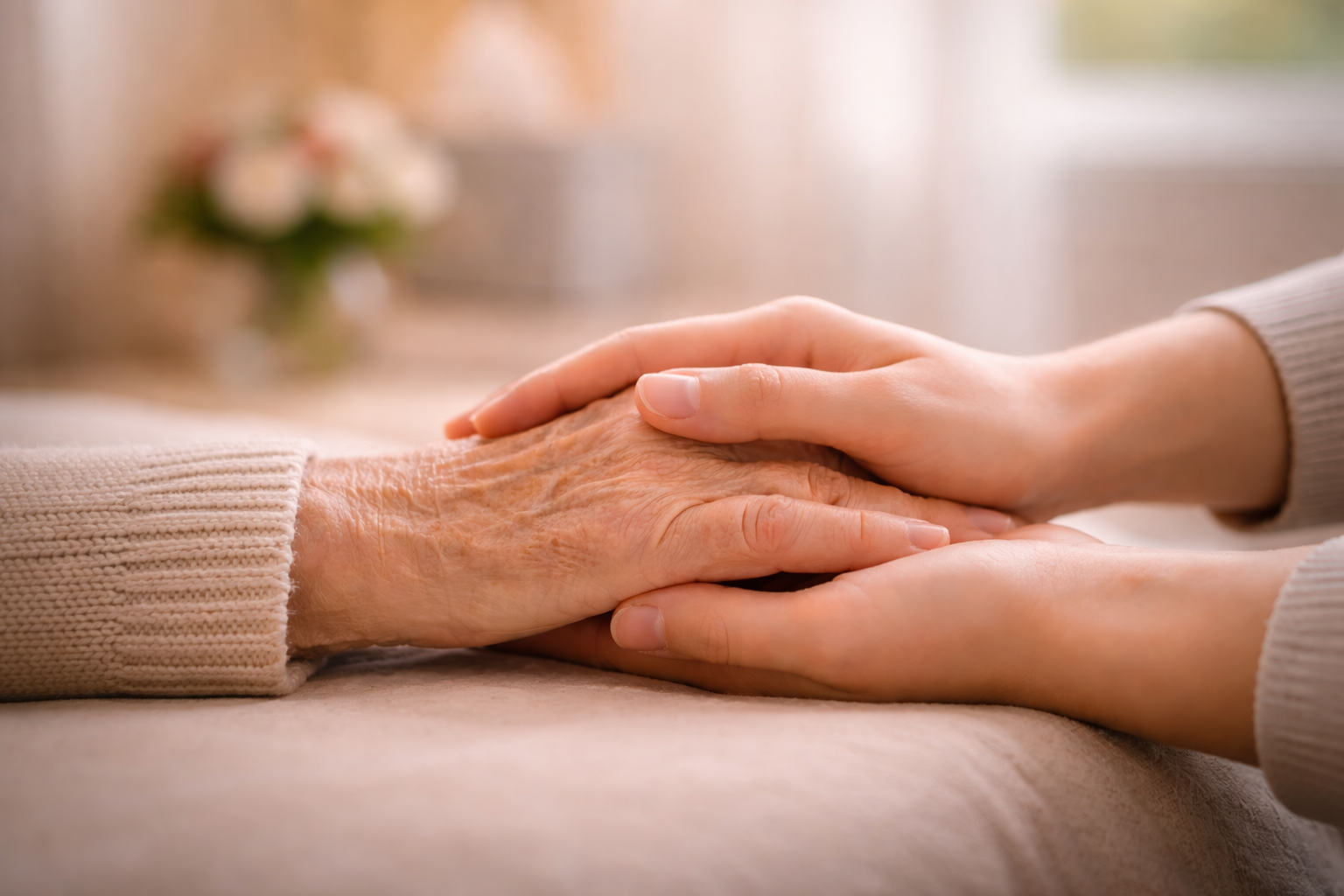
Why Our Mission Matters
Hospital rooms, nursing homes, and hospice settings can feel lonely and overwhelming for children, adults, and seniors alike.
Brighten A Heart™ partners with care teams to deliver thoughtfully curated Comfort Care Totes filled with small, meaningful items that help patients feel seen and supported.
Each delivery is designed to be easy for staff to distribute, respectful of facility policies, and mindful of privacy.
ᰔᩚ Our Mission
Our mission is built on a simple truth: kindness can ease loneliness and bring comfort during difficult moments.
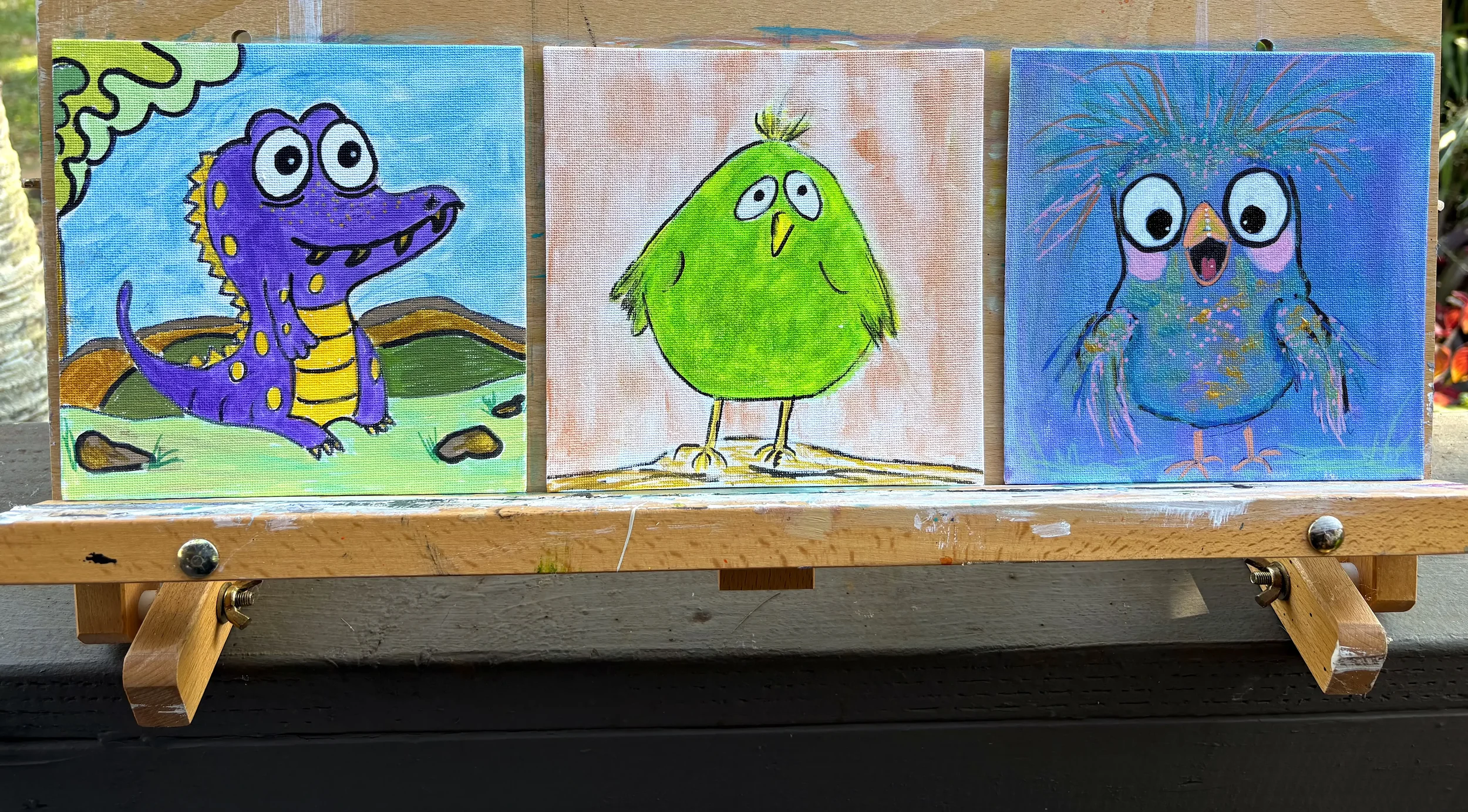
At Brighten A Heart™, even simple, thoughtful items, a handcrafted flower, a soft blanket, a handwritten message, or original artwork on a 6 × 6 canvas, can soften fear, ease isolation, and bring warmth into a patient’s room during illness, recovery, or extended care.
Kindness does not change what someone is facing, but it can remind them someone cares.
Each Comfort Care Tote is thoughtfully assembled with items selected for hospital and care environments, with comfort, practicality, and ease of use in mind for patients of all ages.
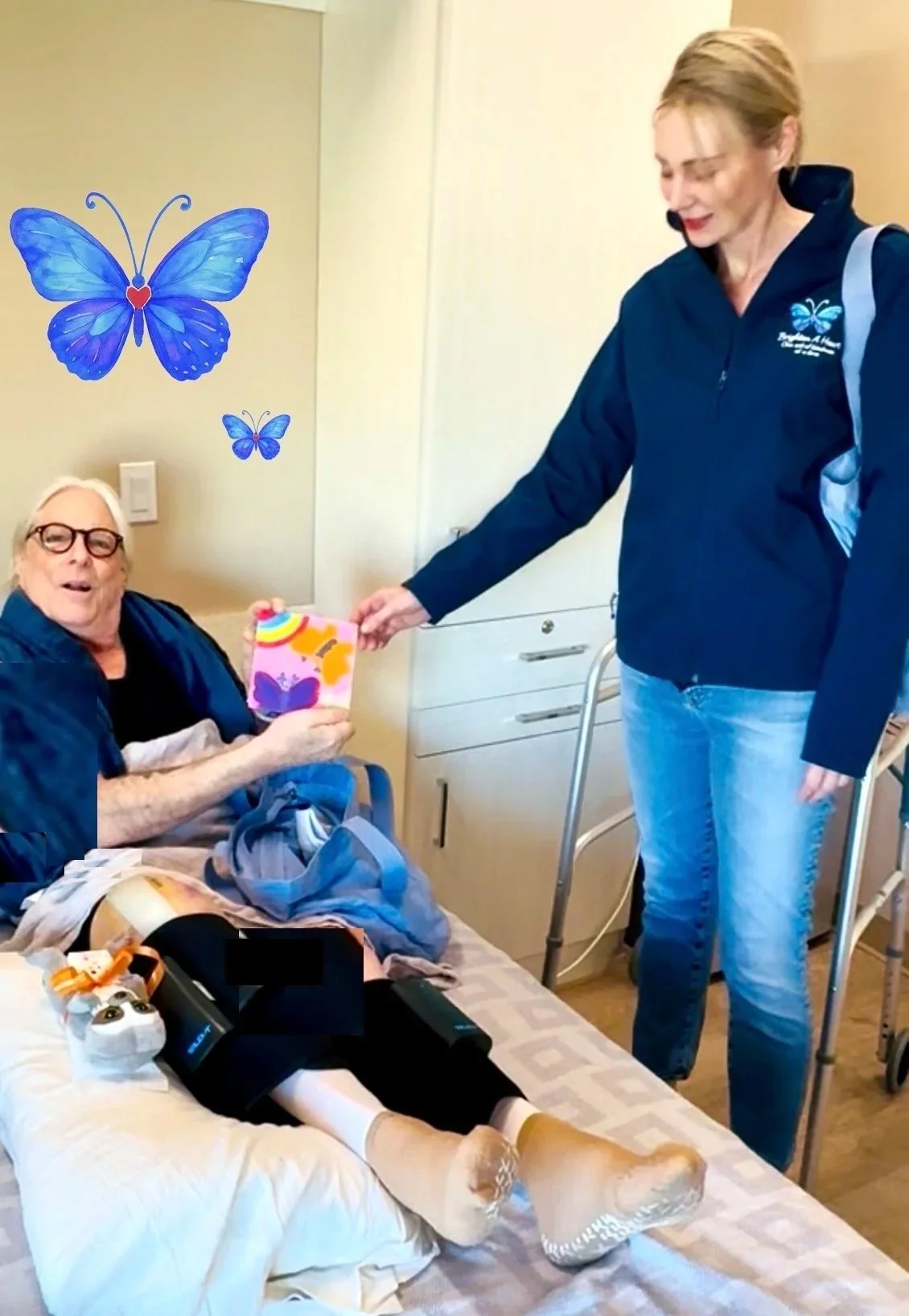
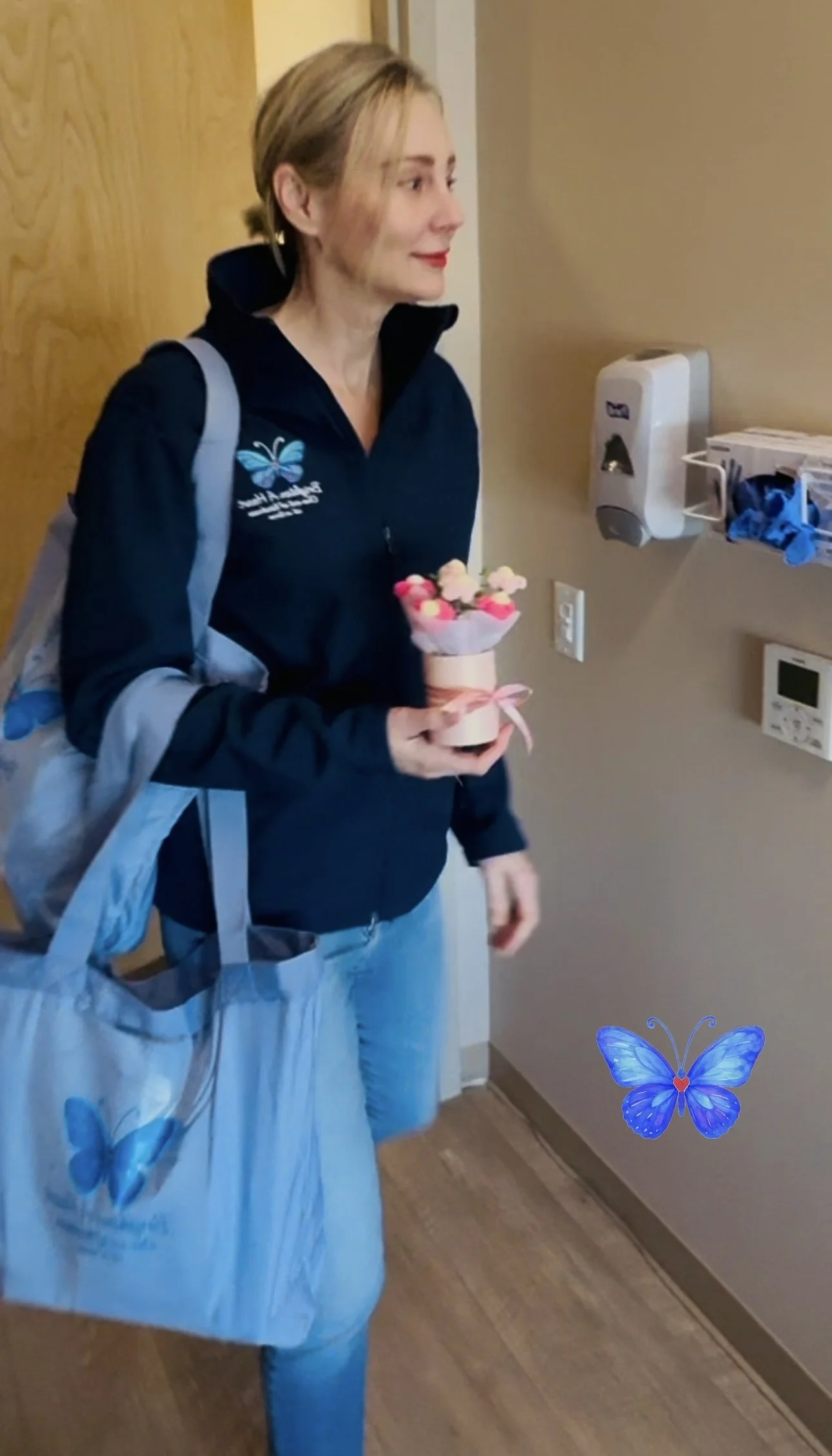
All Comfort Care Totes are delivered through care teams rather than directly to patients, helping us respect patient privacy and facility policies. We do not request or require patient medical information in order to provide or coordinate comfort items.
Fragrance-free or low-odor, with gentle, thoughtfully selected ingredients
Easy for staff to store, distribute, and manage, with low waste
We honor both the dignity of patients and the dedication of caregivers.
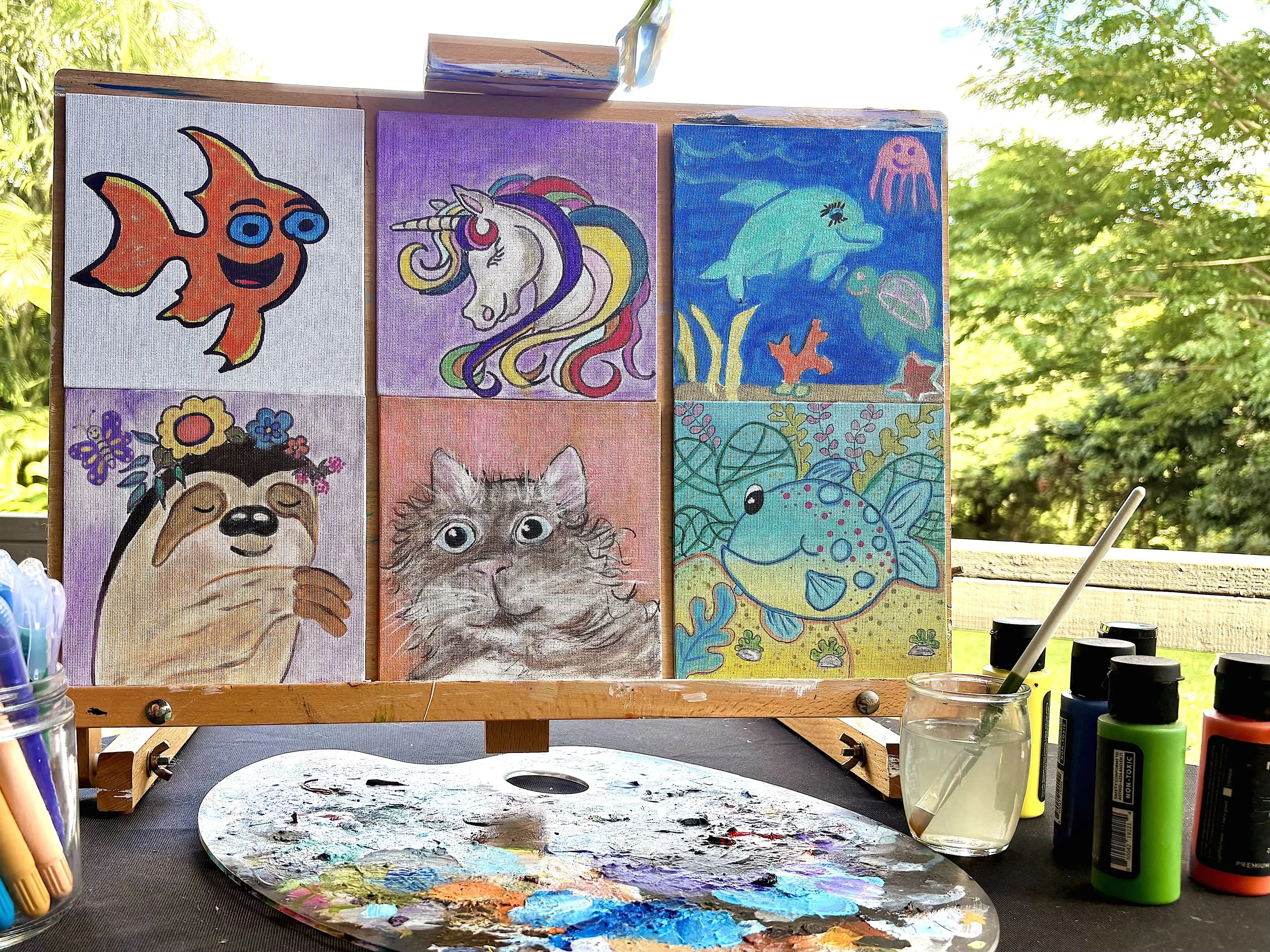
Because we believe creative connection matters at every age, every Comfort Care Tote includes a 6 × 6 canvas created by someone in the community. It is a simple reminder that someone took the time to say, “You are seen, you are not alone.”
Our work is guided not only by compassion, but also by growing evidence that connection, kindness, creativity, and social support can play a meaningful role in wellbeing.
ᰔᩚ Why It Works
Evidence Supporting Our Mission
We believe kindness and human connection matter in healthcare settings. Research suggests that small comforts, social support, and creative engagement may help ease stress, reduce feelings of isolation, and support emotional wellbeing during illness and recovery.
You can explore the sources below to learn more about the evidence behind this approach.

-
A Mayo Clinic–led study, published in JACC: Advances, found that people who are more socially isolated show signs of being biologically older than their chronological age and face a higher risk of death, even after accounting for traditional cardiovascular risk factors.
Artificial intelligence shows that social isolation impacts cardiovascular age and mortality rate › -
Mayo Clinic describes loneliness and social isolation as a growing public health concern linked with depression, heart disease, dementia, and earlier mortality — and emphasizes the importance of meaningful connection, especially during difficult or stressful times.
Loneliness and social isolation through the holidays › -
An article in Communications Medicine argues that kindness is not just a personal virtue, but a realistic public-health strategy. Drawing on randomized trials and population data, the authors suggest that encouraging everyday acts of kindness can improve well-being on a wide scale.
Kindness as a public health action › -
A scoping review in BMC Health Services Research brings together international evidence on kindness in healthcare organizations. It finds that kind behaviours in clinical settings are measurable and meaningful, associated with better experiences of care for patients and a more humane work environment for staff.
What’s the role of kindness in the healthcare context? A scoping review › -
The Oxford Social Prescribing Research Network and the Oxford Centre for Evidence-Based Medicine describe social prescribing as a way to link patients to non-clinical, community-based support (arts, groups, local organizations) to address loneliness, isolation, and other social needs that affect health.
Oxford Social Prescribing Research Network ›
Social prescribing – Oxford Centre for Evidence-Based Medicine ›
Together, these findings support the heart of our work: connection and kindness are not extras. They are meaningful parts of helping people feel supported, connected, and less alone.
ᰔᩚ Children’s Care
Children, Play, Art & Hospitalization
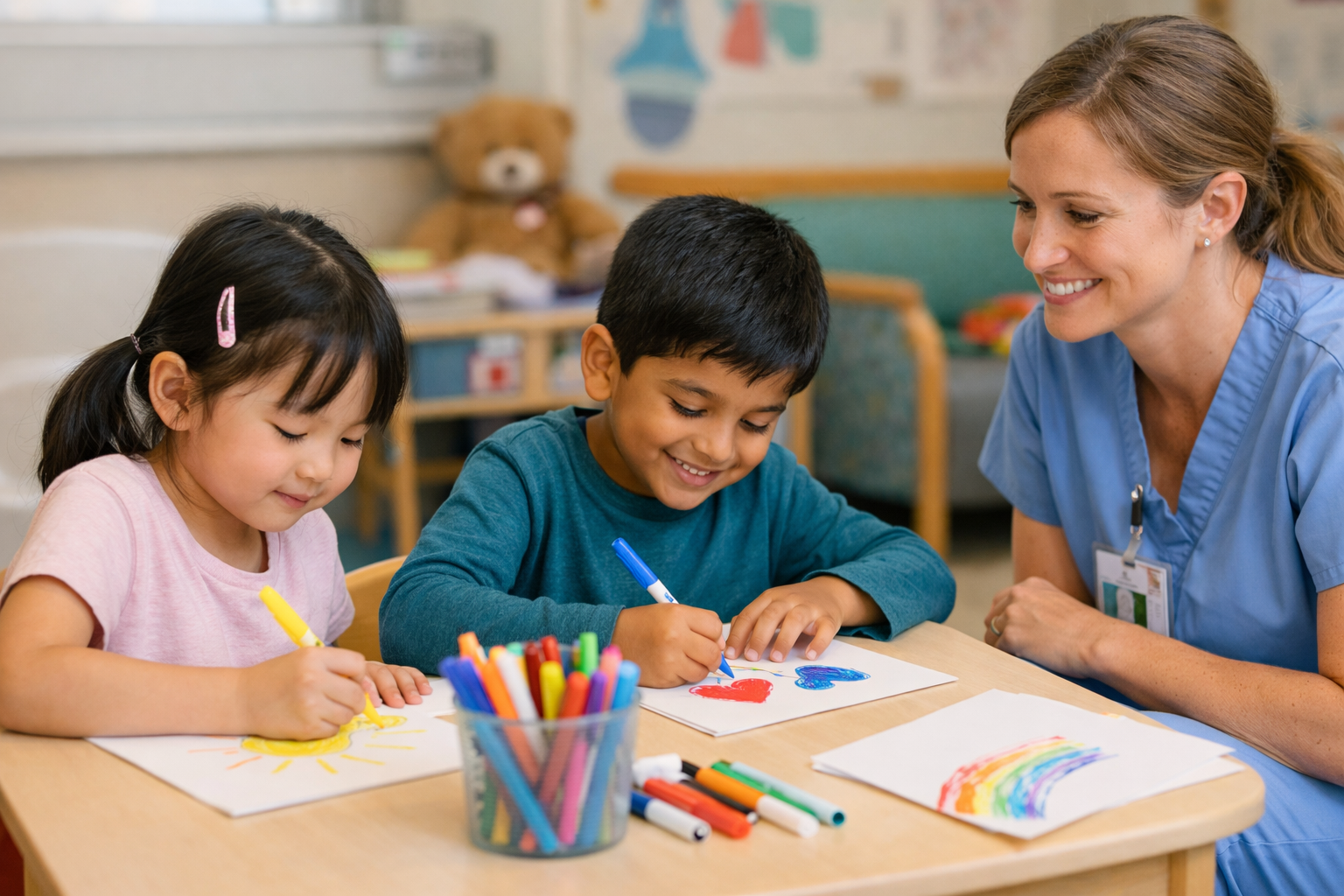
For children, hospitalization can be especially frightening and isolating. Research suggests that play and creative activities can help children cope, express emotions, and reduce anxiety during medical care.
If you would like to learn more, explore the studies linked below.
-
A study in BMC Pediatrics tested hospital play sessions for children aged 3–12. Children who received play interventions had significantly lower anxiety and fewer negative emotions than those receiving usual care, leading the authors to recommend hospital play as part of holistic, quality care for children.
Play interventions to reduce anxiety and negative emotions in hospitalized children › -
A 2025 randomized controlled trial compared play therapy and storytelling for hospitalized children and found that both approaches reduced anxiety, with storytelling providing slightly greater benefit. The authors recommend building these creative methods into children’s inpatient care.
Effect of play therapy and storytelling on the anxiety level of hospitalized children ›
These and similar studies reflect approaches commonly used by pediatric teams and child life specialists. Creative activities, play, and art can give children ways to express feelings, process difficult experiences, and feel more like themselves in medical environments.
ᰔᩚ Real World Programs
Community Art & Our 6 × 6 Canvases
Every Brighten A Heart™ Comfort Care Tote for children, adults, and seniors includes a 6 × 6 canvas created by someone in the community. Each piece is a small expression of kindness, created to bring color, warmth, and a sense of connection to someone receiving care.
Evidence and real world programs
-
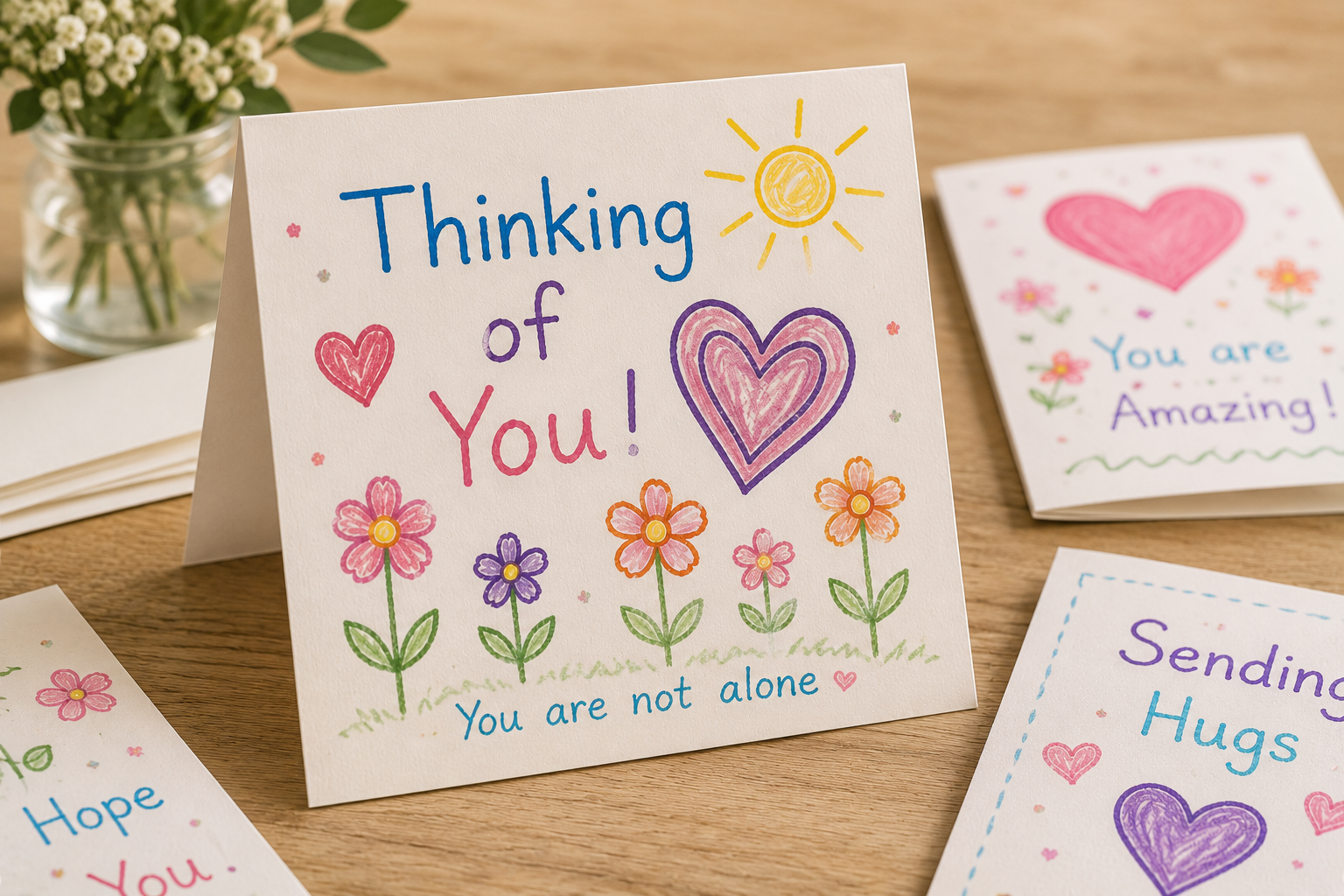
Handmade cards for hospitalized patients (Murray State University, 2018)
A nursing project evaluated the impact of giving handmade cards to hospitalized patients. While vital signs did not change significantly, patients reported feeling happier, more supported, and grateful that someone took the time to reach out.
Link: https://digitalcommons.murraystate.edu/scholarsweek/Fall2018/ClinicalHealthcare/29/
-
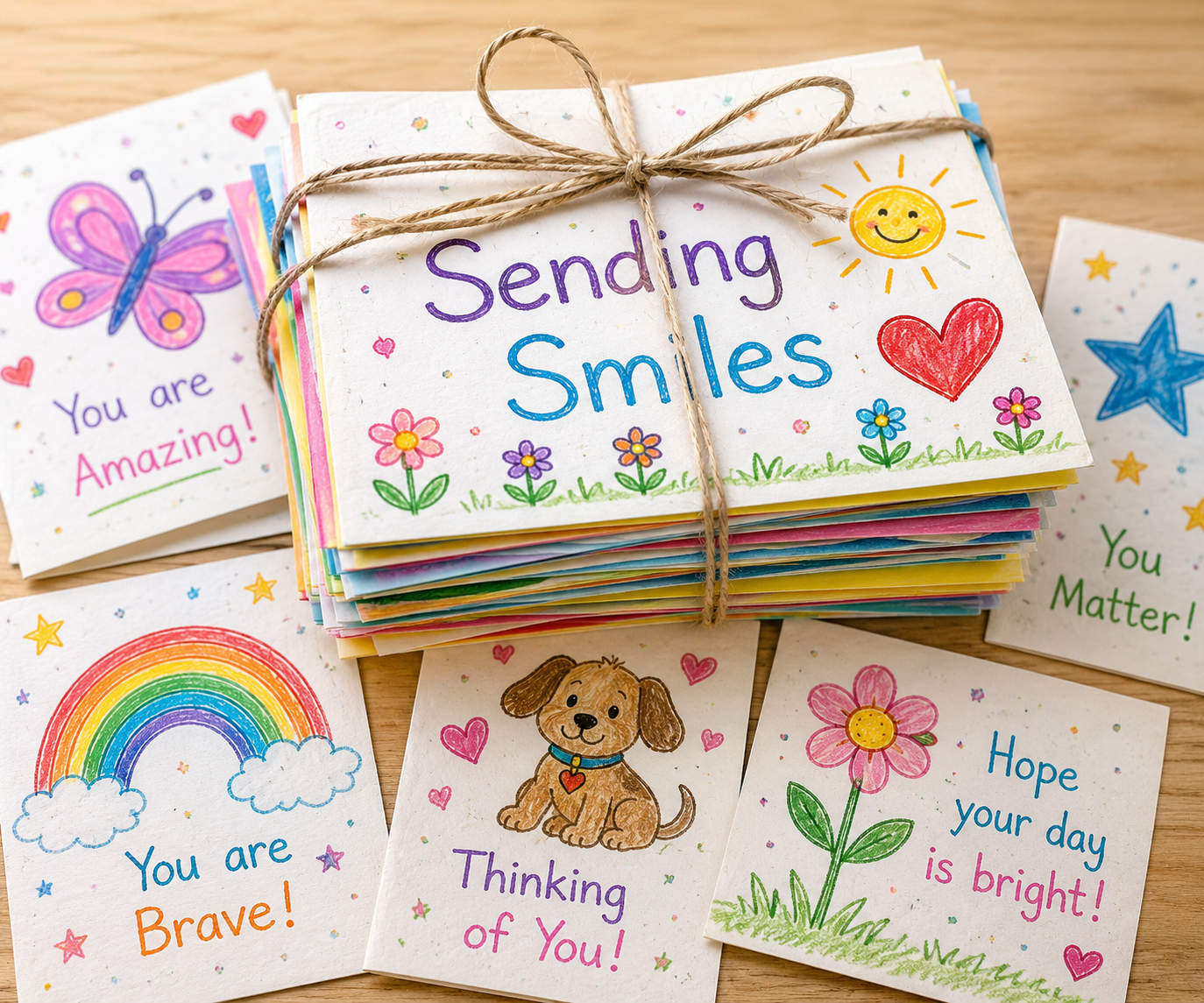
Cards for Hospitalized Kids (CFHK)
Cards for Hospitalized Kids is a U.S. nonprofit that delivers handmade cards to children’s hospitals and Ronald McDonald Houses. Their work shows how a simple, uplifting message can brighten a child’s day and remind them they are not forgotten.
Link: https://www.cardsforhospitalizedkids.com/about-making-cards.html
-
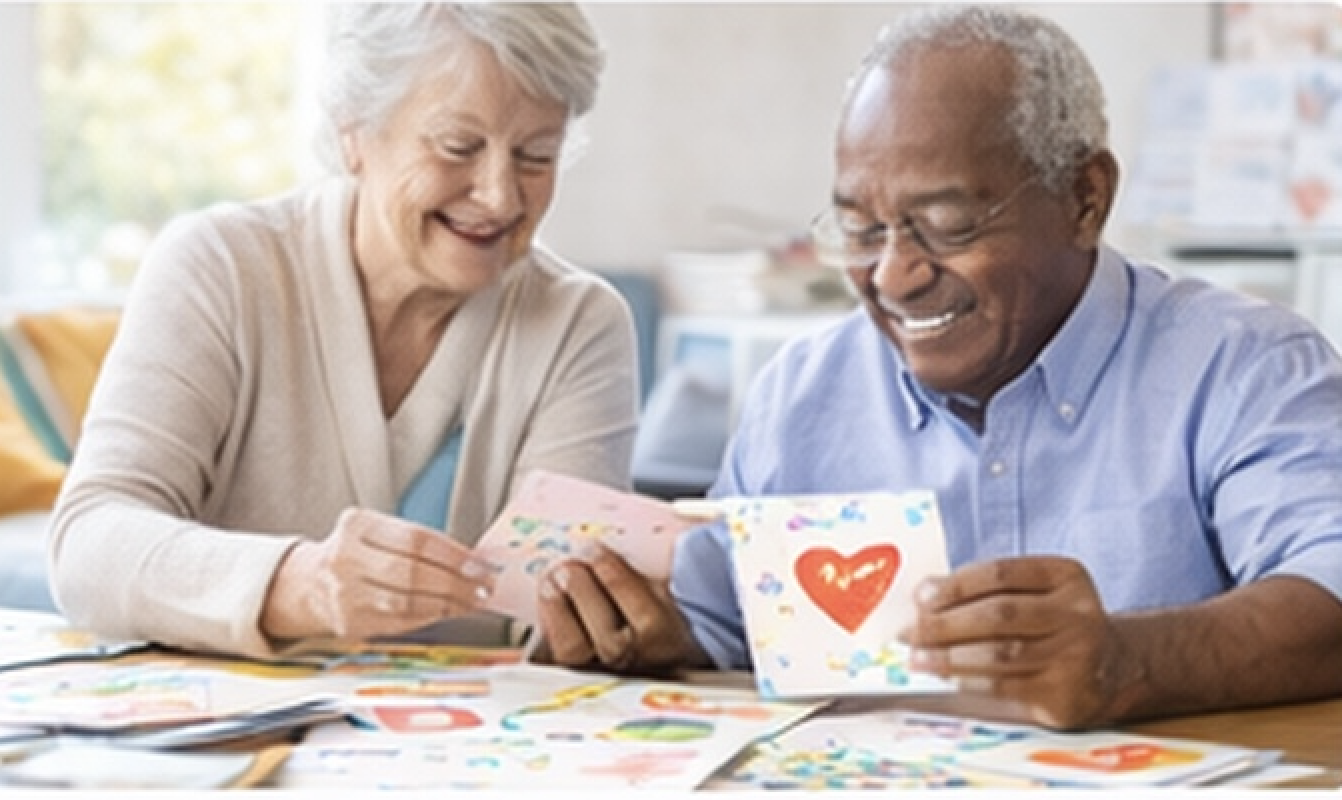
Other card projects for patients and seniors
Card and letter writing programs for older adults show how meaningful it is to be remembered by someone you may never meet. These messages can ease loneliness and bring comfort through simple human connection.
Links: https://loveforourelders.org/about/ https://www.lettersagainstisolation.com/
At Brighten A Heart™, the 6 × 6 canvas included in every Comfort Care Tote is one way we put this belief into practice. Whether it reaches a child in a pediatric unit, an adult in recovery, or a senior in long term care, each small piece of art is a visible reminder that someone took the time to create something especially for them.
Together, these findings reflect what we see every day: