
Ways to Get Involved
ᰔᩚ Get Involved
Individuals & Families
You don’t have to start big to make a difference. As an individual or family, you can help brighten hospital rooms and homes in simple, heartfelt ways:
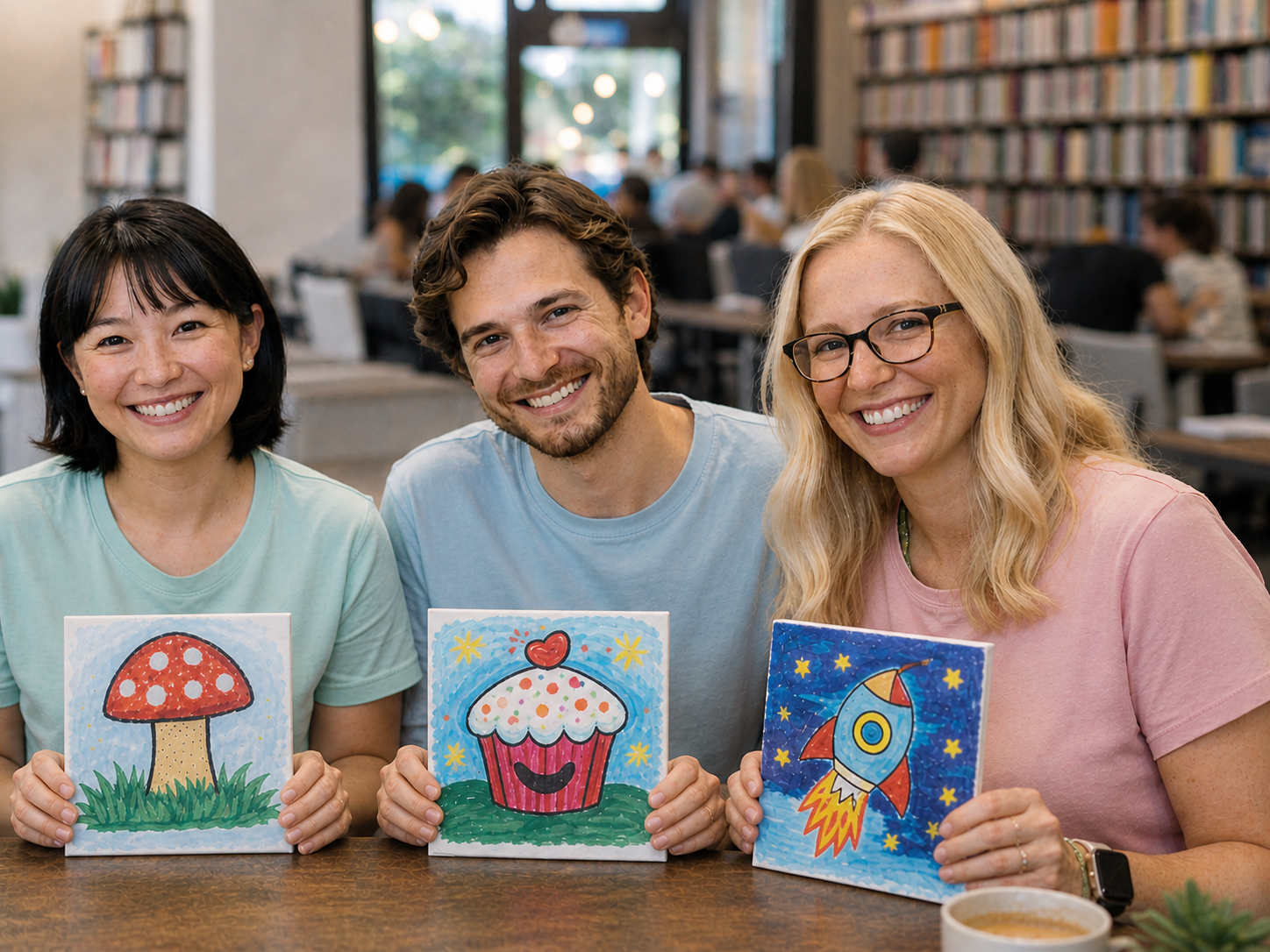
Host a small gathering at home to decorate 6 × 6 non-toxic, acid-free canvas panels with encouraging messages and cheerful artwork, following our 6 × 6 Canvas & Card Guidelines.
Sponsor one or more Comfort Care Totes for patients or seniors during seasonal giving.
Offer professional skills (design, printing, sewing, logistics, photography, etc.) to help us grow.
Donate toward the cost of tote items such as soft blankets, notebooks, handcrafted flowers, and kid-friendly comfort items like Brighten A Heart Kids™ plush friends, books, and creative activities.
How to get started:
Send us a note through our Contact page and mention “Individual/Family, Get Involved.” We’ll share current needs and simple ways you can help.
ᰔᩚ Get Involved
Companies & Employee Groups
If you’re part of a company that values community, your team can help bring comfort and color into clinical environments:
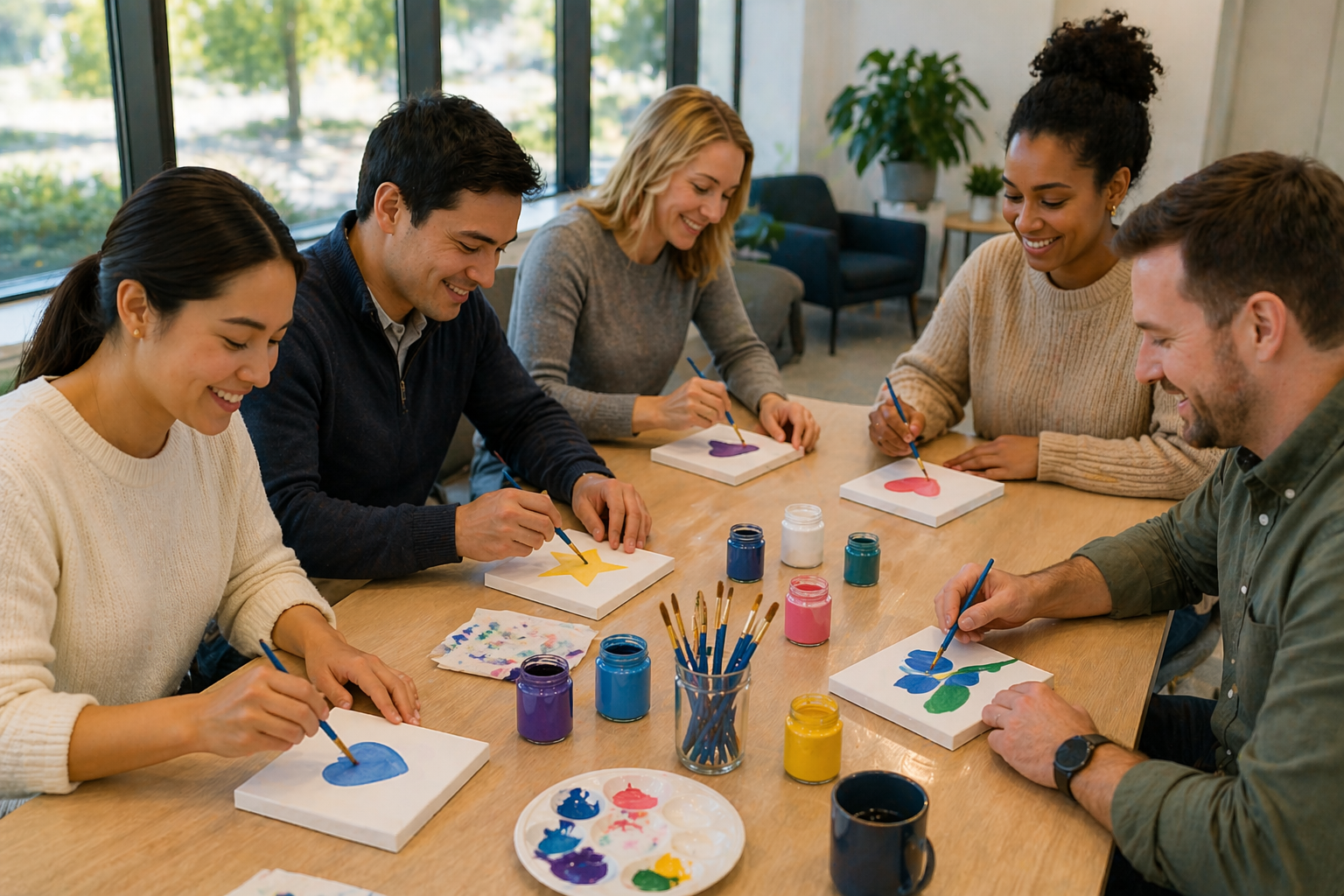
Organize an employee giving drive to sponsor a set number of Comfort Care Totes for a partner facility.
Host a team volunteer day where coworkers create 6 × 6 canvases or help prepare items for totes using non-toxic, low-odor art supplies.
Invite Brighten A Heart™ to speak at a staff meeting or lunch and learn about our mission and ways to support.
Explore an in-kind partnership for hospital-safe, hypoallergenic items that could be included in the totes.
We can provide clear, simple guidelines and a recommended supply list so participation is easy for your team. Additional resources are available upon request.
How to get started:
Contact us and include “Company & Employee, Get Involved” in your message, and we’ll follow up to explore a project that fits your team.
ᰔᩚ Get Involved
Schools, Art Classes & Youth Groups
Brighten A Heart Kids™ is especially close to our hearts, and schools play a meaningful role in that story. Art classes, clubs, and youth groups can help create uplifting, hospital-friendly gifts for patients of all ages.
-
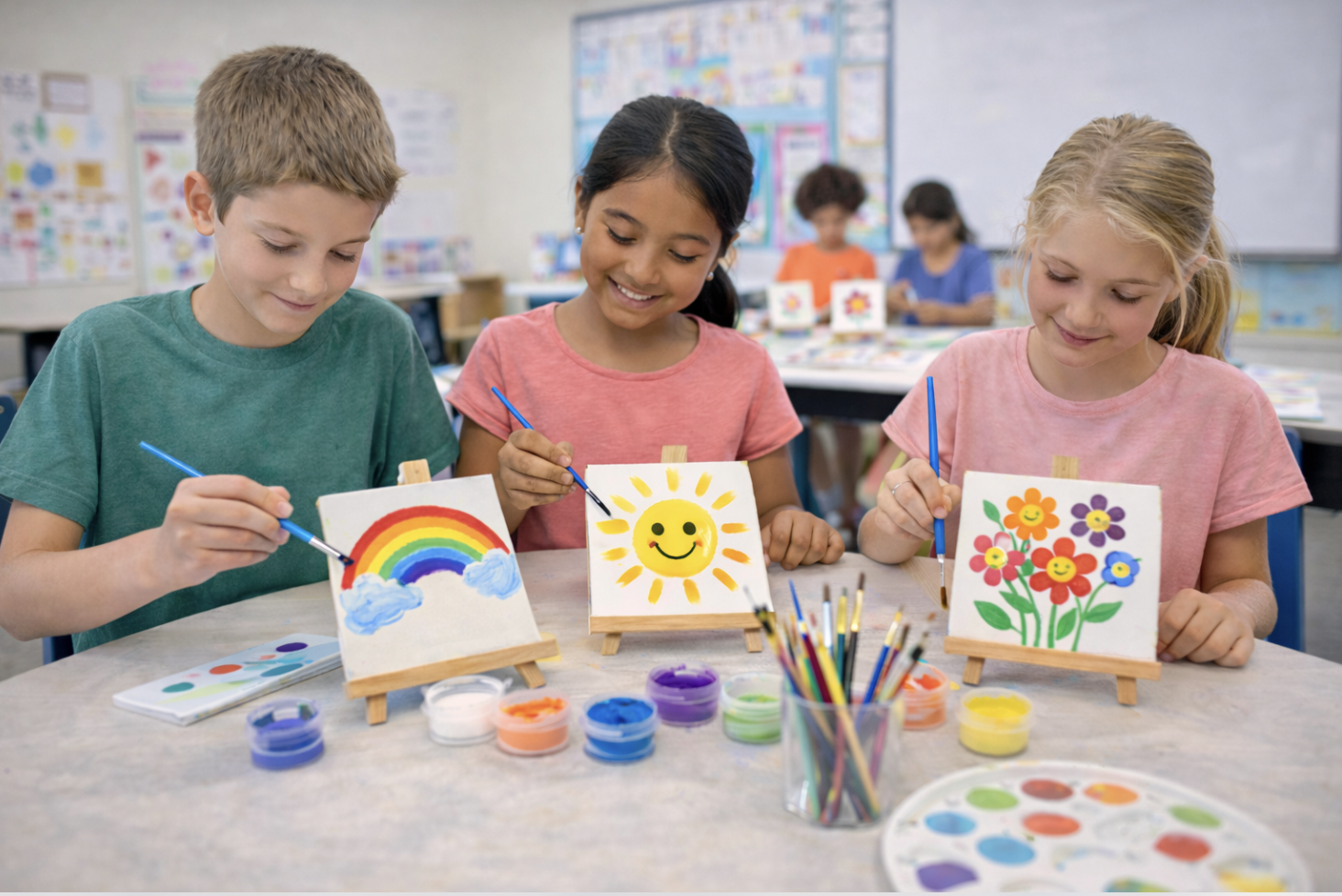
Art Classes & Student Groups can:
• Create 6 × 6 art canvases with colorful artwork, a short kind message, or both, for patients and seniors, using non toxic, low odor art supplies (no glitter, aerosols, or strong chemical smells).
• Design simple, encouraging notes that can be included in Comfort Care Totes (age-appropriate and hospital-friendly). Please avoid “Get well soon” messages; gentle, supportive notes are best.
-
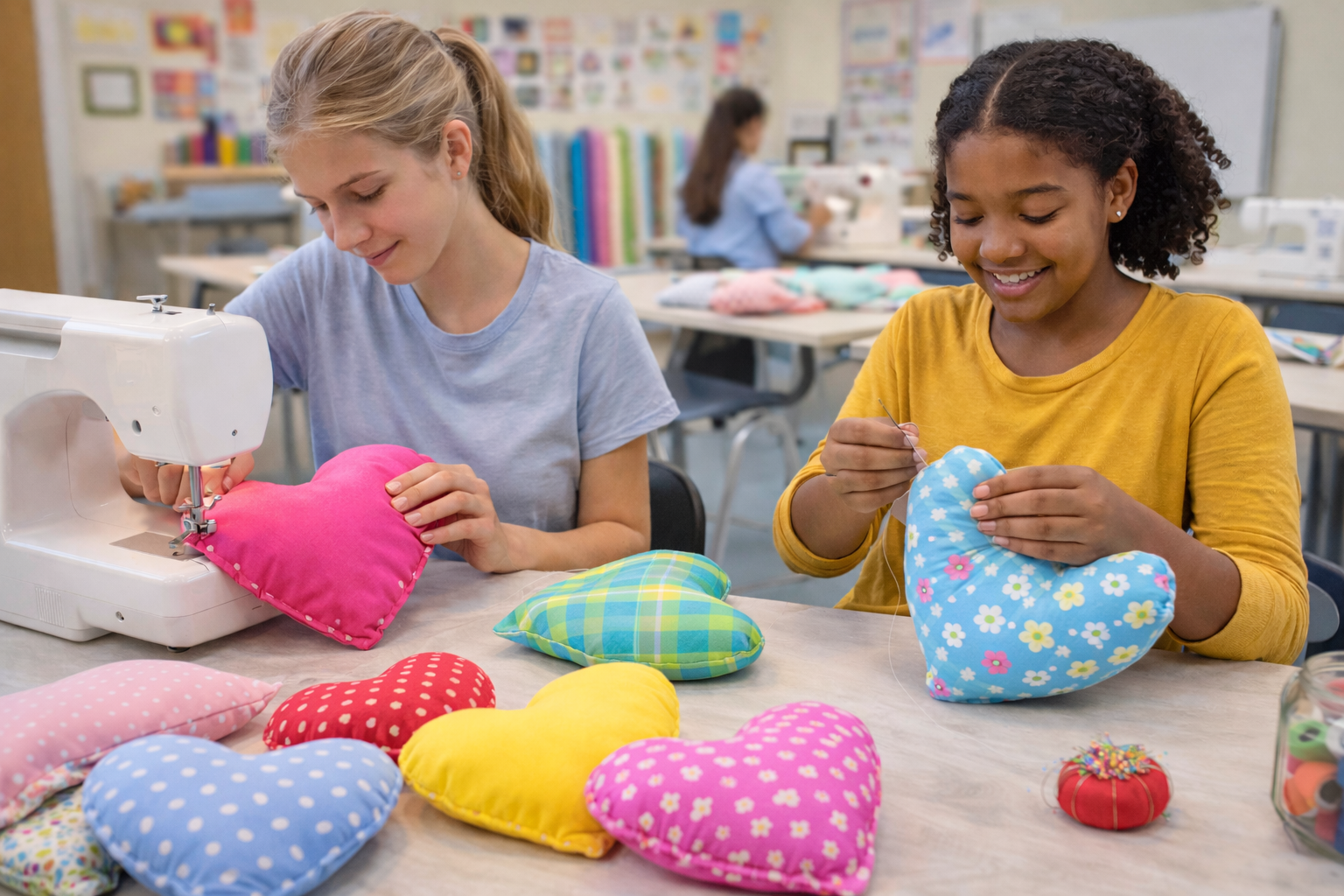
Family and Consumer Sciences (Home Economics) & Sewing Programs can:
• Help create and refine simple, hospital-friendly designs using soft fabrics that are easy to wash, easy to clean, and simple for patients and care teams to use.
• Help create and refine simple, hospital friendly designs using soft fabrics that are easy to wash, easy to sanitize, and easy to put on and take off.
We’ll provide simple guidelines to help ensure all artwork and sewn items are respectful, inclusive, and appropriate for hospital and care settings.
For more information about children’s and classroom projects, please visit our Brighten A Heart Kids™ page.
How to get started:
Reach out through our Contact page and include “School & Youth Group, Get Involved” in your message. Please let us know if you’re an art class, student group, club, home economics program, or sewing program.